Cultural Tapestry of Farewell: Social Fabrics and Cultural Customaries in India
Wiki Article
Within the vibrant subcontinental heritage of India, customs dedicated to celebrating a completed life represent a profound expression of collective heritage. In every corner of the subcontinent, the rites dedicated to paying final respects combine artistic beauty, historical reverence, and communal harmony. Far from viewing departure with isolated sorrow, these practices establish a lasting connection, uniting relatives, honoring elders, and passing down timeless values. The initial hours of the ceremonial gathering are spent in thoughtful, dignified preparation. Family members gather to perform traditional preparation rituals that have been refined over centuries. The departed loved one is dressed in spotless traditional attire tailored to regional heritage and personal status. In many traditions, classic white attire is selected, reflecting social balance, harmony, and pristine beauty. Among various ethnic lineages, garments with decorative embroidery or regional dyes are selected to celebrate an elder's wisdom and societal contributions. Flowers hold a deeply meaningful place in these preparations. Fresh garlands crafted from bright orange marigolds, sweet-scented jasmine, pristine lotus blossoms, and colorful roses are carefully arranged around the individual. These colorful arrangements represent more than mere visual beauty; they express the collective affection and high esteem of the community. The gentle application of aromatic sandalwood paste, natural rosewater, and traditional herbal essences ensures an environment of supreme dignity, freshness, and cultural charm. A deeply moving and visually distinctive element of these traditional farewells is the ceremonial procession from the family residence to the community resting grounds. Understood as a public gesture of unity, this peaceful walk along shared streets unites the broader neighborhood in mutual support. Community members, distant relatives, and lifelong friends assemble along the entry paths, dressed in modest, unadorned traditional white clothing to demonstrate solidarity and visual harmony. The individual is carried upon a gracefully constructed frame crafted from sturdy local bamboo, decorated with fresh foliage and bright flowers. As the walk progresses toward the resting destination, neighbors exchange places to help carry the bamboo litter. This hands-on participation represents a meaningful tradition of fellowship, proving that grief is met with shared strength. Throughout several cultural zones, soft rhythmic beats from local instruments or classic brass arrangements guides the walkers, establishing a solemn and respectful mood that honors the individual's legacy within the public sphere. The extraordinary variety of Indian heritage is clearly visible in the local variations that mark each district's traditional customs. Although the foundational principles of hospitality and honor are shared everywhere, the visual and artistic details differ wonderfully from north to south, and east to west. Following the primary ceremonial rites, family life shifts into a structured phase of quiet reflection, generally spanning ten to thirteen days. During this timeframe, the family home becomes an open sanctuary for neighbors, extended family lines, and well-wishers who travel from afar to offer condolences and pay their respects. Hospitality during this period is a vital cultural requirement. Simple, nutritious vegetarian meals are prepared daily in large quantities to feed visiting neighbors, family, and travelers. This practice of joint dining creates strong emotional bonds, helps visitors reflect on the individual's positive contributions, allowing the neighborhood to take care of all domestic chores for the family. The final day of the memorial period features a generous community gathering. Elders speak about the individual's life legacy and community service, passing down valuable life lessons to youth. Generous community donations—including gifting garments to neighbors, funding local schools, or providing meals to the needy—are carried out to celebrate the person's legacy, strengthening societal support systems and charitable values.
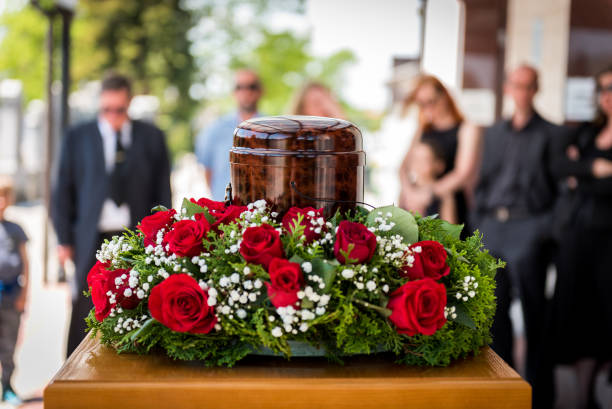
Kallahalli Crematorium Families across India handle these dignified moments with a unique blend of communal togetherness and structured ritualism. From the vibrant rural villages to the bustling urban centers, the active participation of the surrounding community serves as the primary pillar of support. These time-honored practices offer a meaningful space allowing society to express gratitude, care for grieving households, and pass on oral histories.
The Aesthetics of Preparation and Family Devotion
The White Procession: Community Solidarity in Motion
Cultural Feature
Material Used
Community Role
Dress Code
Unadorned White Textiles
Reflects modest dignity and visual harmony.
Palanquin Frame
Natural Bamboo and Rattan
Demonstrates local craft and eco-friendly design.
Floral Adornments
Native Sweet Blossoms
Conveys family devotion and visual honor.
Herbal Preparations
Cooling Sandalwood and Rose Essence
Ensures sensory grace and natural care.
Subcontinental Diversity in Farewell Customs
Kallahalli Crematorium Whether the final resting customs involve traditional earthen burials or ceremonial fire arrangements, the emphasis stays firmly placed on cultural values of returning the physical form to nature's fundamental components through practices that prioritize environmental respect and cultural grace.
Hospitality, Remembrance, and Social Continuity
Conclusion: An Enduring Legacy of Respect
Swarga Vatika Crematory Hyderabad The farewell traditions of India present a masterclass of social values, artistic traditions, and profound community solidarity. By handling personal farewells with public grace and communal support, these customs prove the enduring value of shared hospitality and tradition. With delicate floral craft, peaceful white processions, distinct regional arts, and open-door hosting, Indian culture honors the journey of the individual while fortifying the enduring bonds of the community for generations to come.