Honoring the Final Journey: Social Fabrics and Cultural Customaries in India
Wiki Article
Throughout the rich cultural regions of India, cultural practices surrounding the final farewell of a community member reflect a deep commitment to social solidarity. Across every regional territory, the rites dedicated to paying final respects are rich with regional artistry, historical significance, and intricate social customs. Rather than focusing merely on loss, these customs serve as a vital cultural bridge, reinforcing family bonds, strengthening neighborhood networks, and preserving ancestral etiquette. The quiet period immediately after a farewell are spent in thoughtful, dignified preparation. Loved ones lovingly execute time-honored home traditions that have been refined over centuries. The individual is adorned in clean, elegant garments that reflect regional dress customs. Simple white clothing remains the classic preference, symbolizing quiet peace, dignity, and cultural simplicity. Within specific regional groups, garments with decorative embroidery or regional dyes are selected to celebrate an elder's wisdom and societal contributions. Flowers hold a deeply meaningful place within these home observances. Fresh garlands crafted from bright orange marigolds, sweet-scented jasmine, pristine lotus blossoms, and colorful roses are layered gracefully upon the resting platform. These colorful arrangements represent more than mere visual beauty; they highlight the continuous beauty of life and family devotion. The delicate use of natural sandalwood, rosewater, and native herbs ensures an environment of supreme dignity, freshness, and cultural charm. One of the most visually striking and culturally significant aspects in regional subcontinental customs is the organized neighborhood procession from the household to the local ceremonial grounds. Known across various regions as a procession of honor, this peaceful walk along shared streets unites the broader neighborhood in mutual support. Fellow villagers and urban neighbors join together along the entry paths, wearing simple white traditional attire to demonstrate solidarity and visual harmony. The loved one rests upon a traditional litter made from natural bamboo, adorned with fresh green leaves, traditional woven textiles, and rich floral garlands. As the walk progresses toward the resting destination, neighbors exchange places to help carry the bamboo litter. This hands-on participation represents a meaningful tradition of social unity, showing that the entire neighborhood shares the family's burden. In many regions, soft rhythmic beats from local instruments or classic brass arrangements enhances the journey, offering a graceful auditory backdrop that honors the individual's legacy within the public sphere. The extraordinary variety of Indian heritage is clearly visible in the varied funeral customs observed across different geographical regions and ethnic groups. While core values of respect and community remain universal, the specific expressions vary dramatically from north to south, and east to west. Following the primary ceremonial rites, Indian cultural heritage dictates a structured period of home-based remembrance, typically lasting between ten and thirteen days. In this dedicated period, the family home becomes an open sanctuary for neighbors, extended family lines, and well-wishers who arrive to offer support, food, and companionship. Receiving guests with warmth remains a top priority. Freshly cooked vegetarian meals are made each day to feed visiting neighbors, family, and travelers. This practice of joint dining creates strong emotional bonds, helps visitors reflect on the individual's positive contributions, while guaranteeing that the family receives active help and daily supplies from neighbors. The conclusion of the primary formal gathering period features a generous community gathering. Family elders share stories of the individual's achievements, wisdom, and character traits, passing down valuable life lessons to youth. Selfless acts of service—like sponsoring student materials, sharing food with local shelters, or donating textiles—are traditionally performed in honor of the departed, building a lasting legacy of kindness and civic care.
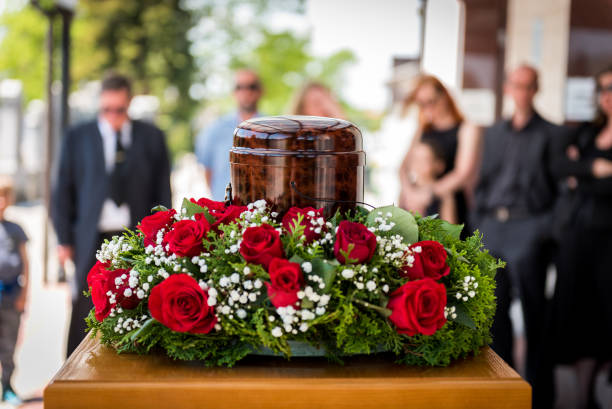
Hindu Crematorium Ground Hyderabad Families across India handle these dignified moments through a harmonious mix of joint effort and refined etiquette. Whether in quiet country settlements or dense metropolitan districts, the arrival of extended family and supportive neighbors underpins every step of the cultural farewell. These observances provide a structured cultural framework where loved ones share comfort, honor lived memories, and preserve personal accomplishments.
The Aesthetics of Preparation and Family Devotion
Processions of Honor: Community Unity
Cultural Feature
Traditional Medium
Symbolic Value
Clothing
Simple White Cotton Garments
Reflects modest dignity and visual harmony.
Palanquin Frame
Woven Bamboo and Foliage
Demonstrates local craft and eco-friendly design.
Garlands
Marigolds and Jasmine
Represents honor, aesthetic beauty, and respect.
Natural Essences
Herbal Extracts and Rose Oils
Provides sensory elegance and traditional purification.
Subcontinental Diversity in Farewell Customs
Hindu Crematorium Ground Hyderabad Whether the final resting customs involve traditional earthen burials or ceremonial fire arrangements, the emphasis stays firmly placed on cultural values of restoring balance with the surrounding natural world with complete respect for the earth and ancestral eco-friendly customs.
Communal Hospitality and Memorial Traditions
Final Reflections: Honor, Artistry, and Unity
Hindu Crematorium Ground Hyderabad These subcontinental customs demonstrate a beautiful example in community togetherness, textile art, and social respect. By handling personal farewells with public grace and communal support, these customs prove the enduring value of shared hospitality and tradition. With delicate floral craft, peaceful white processions, distinct regional arts, and open-door hosting, Indian culture honors the journey of the individual while building stronger, more united neighborhoods for the future.